Sifnos: The Greek Island to Know Beyond the Postcards
A Sunday pot of chickpeas, a village above the sea, a beach that takes the afternoon. Sifnos rewards a little curiosity and a few unhurried days.

On Sifnos, even the cooking pot deserves your attention. The island’s Sunday chickpeas spend the night in clay, while its potters make vessels intended to earn their place in a kitchen. It is a useful introduction to this corner of the Cyclades: look beyond the white walls and blue water, and the details start to join up.
Sifnos is hardly a secret. People have been coming for its food, villages and beaches for years, and you will have company at its best-known sights. The reason to put it on your list is more interesting than being first. Here, a holiday can take its shape from the things you enjoy most: a walk before the heat, something good for lunch, a swim that leaves time for another.
Kastro: take the long way around
Kastro asks you to look closely. Houses press together in the island’s former capital, their outer walls once helping to defend the settlement. Ancient columns appear in later buildings; Roman sarcophagi sit along the lanes. History here interrupts an ordinary walk rather than waiting behind a museum entrance.
Follow the village out towards the sea and the Church of the Seven Martyrs comes into view on its rocky outcrop. It is one of those places you may recognise before you arrive. Allow yourself the photograph, then put the phone away for the return through the village. The narrow passages, doorways and sudden openings to the water deserve as much attention as the famous view.

What to eat in Sifnos
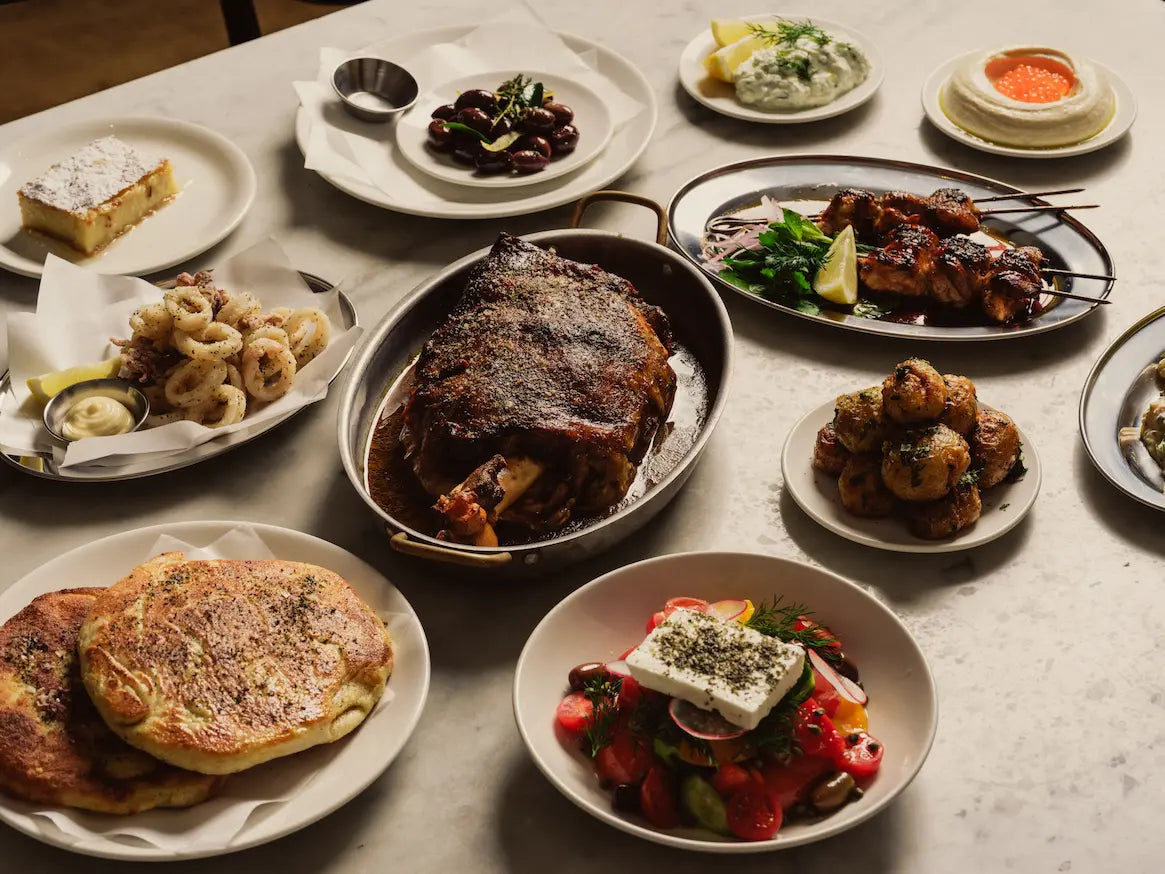
Start with revithada. Chickpeas cooked slowly in a covered clay pot may sound modest beside a seafood platter, but this Sunday tradition tells you something important about Sifnian cooking: time is an ingredient. The vessel is called a skepastaria, and the association between the island’s kitchens and its pottery is quite literal.
Then there is mastelo, lamb or goat slow-cooked with wine and dill in a local clay vessel. Make room, too, for chickpea fritters, caper salad and the island’s cheeses. Xinomyzithra brings a soft, tangy note; manoura has a quite different character, matured with wine lees. For a small sweet finish, look for amygdalota, the almond sweets found in the island’s bakeries.
There is no need to turn lunch into a tasting checklist. Ask what is cooking that day, choose a few things you do not make at home, and let one meal lead to the next. A dish worth returning for is a perfectly good reason to leave tomorrow’s plans loose.

The pottery is part of the story
Sifnos has the clay and the craft to make this connection between cooking and ceramics endure. Workshops still produce useful things: pots for the oven, jugs for the table, containers for the kitchen. Look up from the shop shelves and you may notice another local form on the rooftops: the ceramic chimney known as a flaros.
The municipal pottery directory lists workshops around the island, including Kamares, Artemonas and Vathi. Contact a maker before planning a visit, particularly outside summer. If something is coming home with you, ask how it is meant to be used and how best to pack it. A pot that becomes part of Sunday lunch is a particularly satisfying souvenir.
Chrysopigi, then the water
Chrysopigi is Sifnos at its most recognisable: a white monastery on a rocky peninsula, the sea close on either side. It is also a place of worship, with an important festival around Ascension. Visit with that in mind, even when the camera is doing most of the work.
Nearby Apokofto gives the day a gentler continuation, with sand and places to eat by the beach. A cobbled path connects the area with Glyfos at Faros. You can make an outing of monastery, coast and lunch without trying to fit half the island into a morning.

Leave an afternoon for Vathi
Vathi makes a strong case for staying in one place for a while. Its bay, places to eat and pottery workshops give you enough for a day without much planning. Bring what you need for the beach, choose somewhere for lunch and resist treating the next bay as an appointment.
For a different pace, spend time inland in Artemonas. Its neoclassical houses, flower-filled courtyards and traditional bakeries offer another side of the island. A pastry bought for later, a look into a workshop, a walk through the lanes: small diversions are often the point.
Walk between the places
Dry-stone walls and terraced hillsides become much more interesting when you are moving at walking pace. The island’s old paths connected working landscapes long before they became holiday routes; they still lead past chapels, farm buildings and traces of earlier lives.
Use Sifnos Trails to choose a route that suits the day. Its Kastro–Chrysopigi walk is listed at 5.8 kilometres and around two hours twenty minutes, before stops. Plan the return journey as well as the walk, carry water and wear proper walking shoes. Spring and autumn are the more comfortable seasons for longer routes; summer midday heat calls for a different plan.
That is perhaps the best way to approach Sifnos generally. Give it enough time for a few places to become familiar. Know which bakery you want to go back to, which beach suits the afternoon, which pot you are still thinking about. There is more pleasure in that than in collecting another island.
A practical Sifnos travel guide
Getting there. Sifnos has no airport. Ferries from Piraeus arrive at Kamares; crossing times depend on the vessel and route. Use the municipality’s arrival guide and ferry-booking links to plan your dates, and check the operator’s schedule before committing to onward travel.
When to go. For a trip built around walking, choose spring or autumn. For a beach-led holiday, late spring through early autumn gives you more reason to spend time by the water. Confirm accommodation, restaurant opening dates and transport for your chosen week; services vary seasonally.
How long. We would allow four or five nights for a first visit, with time for villages, a walk and two or three beach afternoons. That is an editorial suggestion, not a minimum: it simply leaves space to repeat something you enjoyed.
Where to base yourself. Consider Kamares for ferry convenience, Artemonas for village life and bakeries, or Vathi for a stay centred on the bay. Check the precise location and walking access of your accommodation before booking, especially if you prefer to avoid driving.
Getting around. Consult the local bus timetable for the dates you are travelling. Work out your last return service before a beach day or dinner away from your base. A hire car offers flexibility; it is worth arranging one ahead if your plans depend on it.
Explore the villages · Local food and cooking activities · Find a pottery workshop
For the island suitcase
A white cotton shirt for the ferry crossing; wide-leg trousers for dinner in the village. Two pieces from Athens label Blameyourdaze, selected from our Grecian Collective collection.

Oversized Cotton Shirt
Blameyourdaze’s cotton shirt, with an oversized fit and side-button detail.
Explore the shirt
Tailored Wide-Leg Trousers
A tailored cut with a wide-leg shape from Blameyourdaze.
Explore the trousersProduct photography: Grecian Collective / Blameyourdaze. Check each product page for available sizes and colours. These are Grecian Collective selections, not products made on Sifnos.
Naxos: Aegean charm and a generous table
Paros: your next Cycladic stop
Photographs are reproduced under the licences linked in their captions, without editorial alteration; display sizes vary by device. Creative Commons photographs retain their respective licences; Johnny Africa’s photographs are used under the Unsplash licence.